
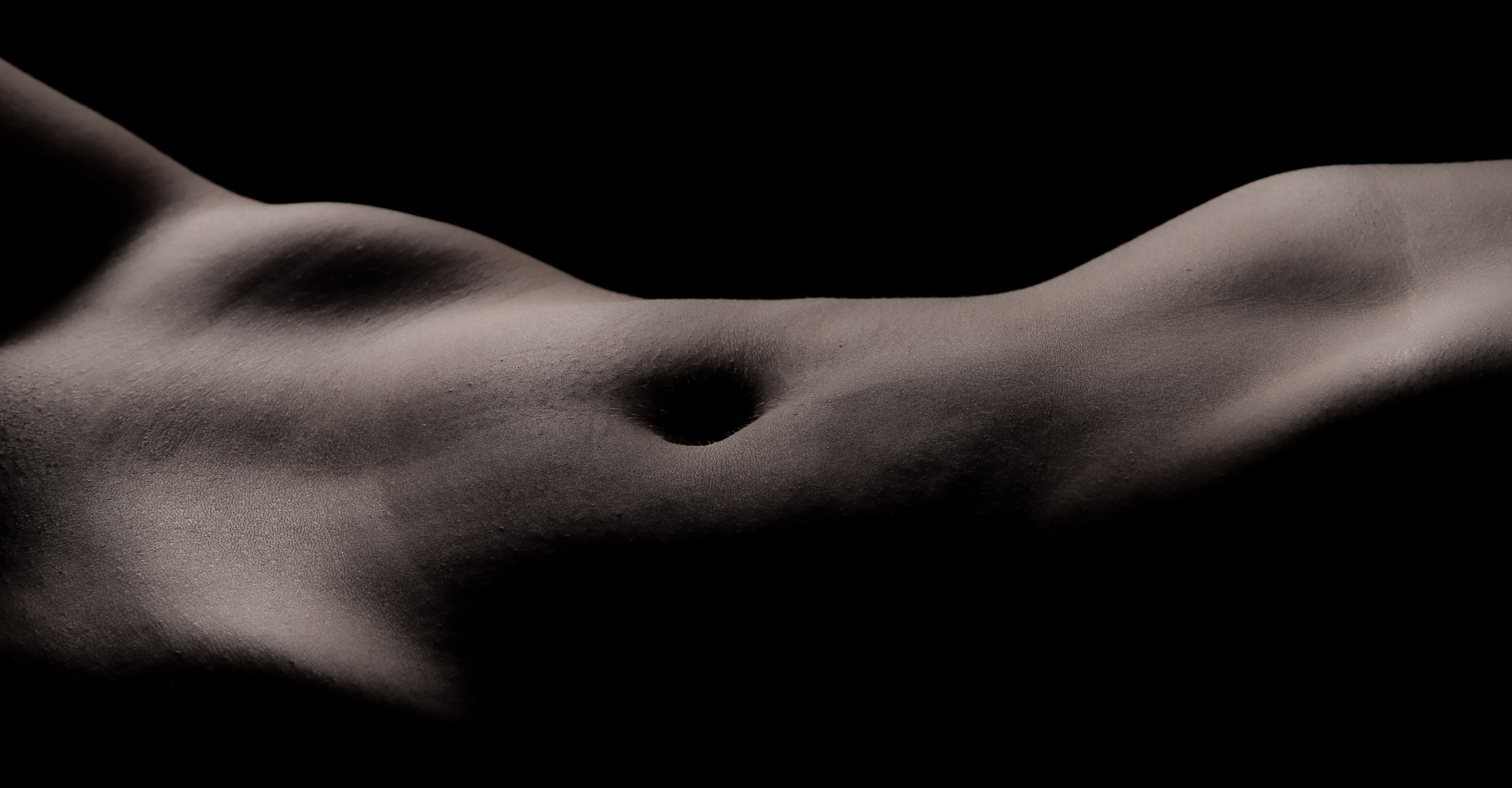
Photography has the unique power to transform the human form into art, and one of the most striking ways it does this is through bodyscape photography.
A bodyscape isn’t a traditional portrait. Instead of showing the whole figure, the lens focuses on details — a curve, a shadow, the subtle lines of muscle or skin. By using light, shadow, and composition, the body becomes something more: an abstract landscape, a living sculpture.
The beauty of a bodyscape lies in its ambiguity. Viewers might see a rolling hill, a flowing dune, or an abstract shape before realizing they’re looking at the human body. It blurs the line between intimacy and artistry, inviting people to appreciate form without the need for context.
At times, a bodyscape can push the boundaries of what some may consider erotic. But at its core, it isn’t about provocation. It is a celebration of the body in its purest form — light and shadow honoring line and texture, revealing strength, softness, and beauty.
When framed and displayed, bodyscapes can take on the role of fine art in the home. They’re timeless, elegant, and deeply personal. Each image is a reminder that the body itself is worthy of celebration — not just as a subject, but as a centerpiece of art.
Bodyscape photography is about honoring the form, capturing strength and vulnerability in equal measure. It’s proof that the human body, in its simplest lines and textures, is already a masterpiece.